Understanding Airport Operations: A Practical Guide for Aviation Learners
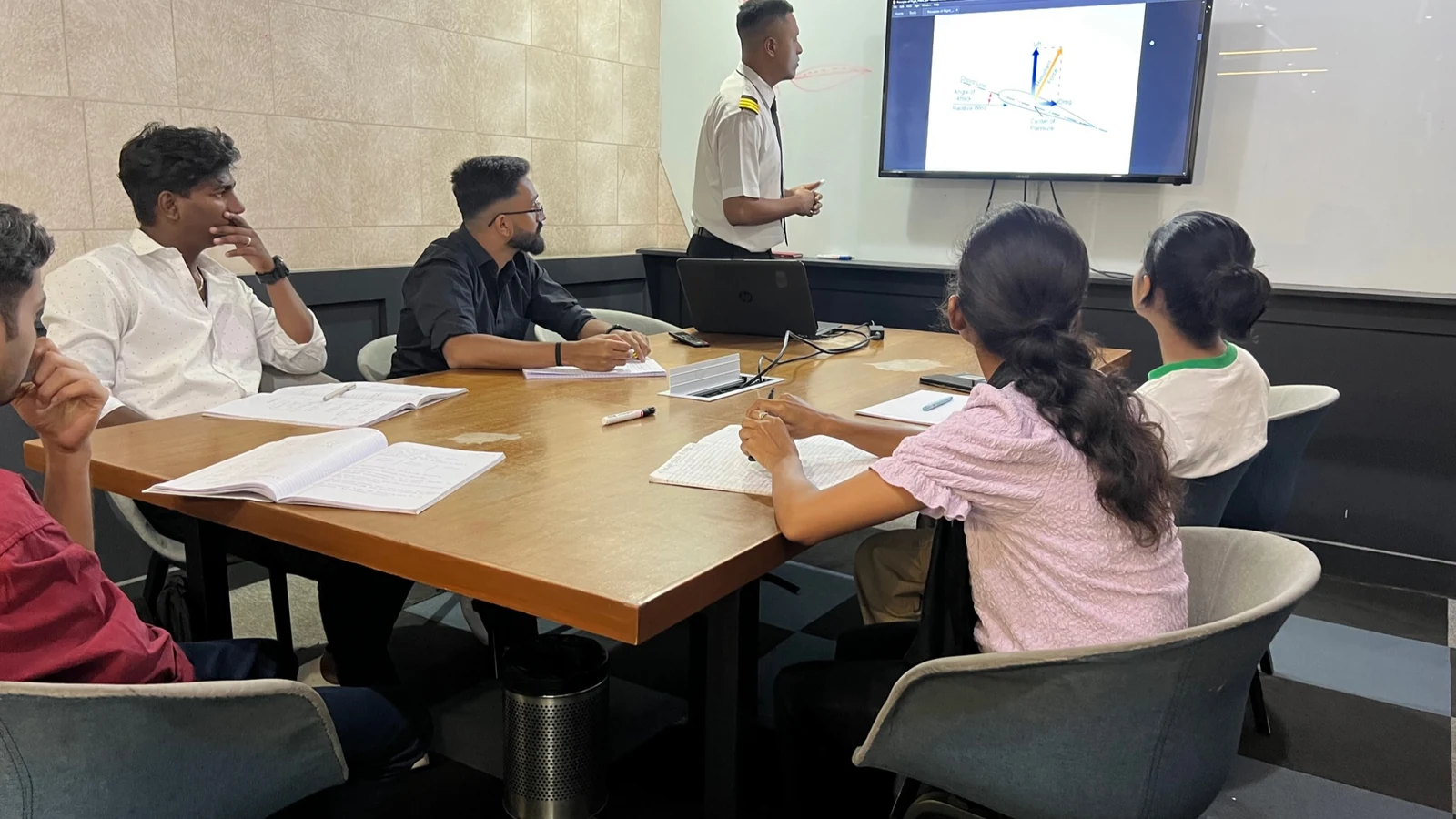
Understanding airport operations is crucial for anyone entering the aviation industry. This week, we focus on the essential aspects of airport operations that every aviation learner should know. With the rapid growth of air travel in India, understanding these operations can enhance your readiness for a career in this dynamic field.
The Role of Airport Operations
Airport operations encompass a wide range of activities that ensure the smooth functioning of an airport. This includes everything from passenger check-in to baggage handling, security screening, and air traffic control. Each of these components plays a vital role in maintaining safety and efficiency at airports.
Key Components of Airport Operations
Passenger Services: This includes check-in, boarding, and customer assistance. Frontline staff must be trained to handle various passenger needs, from providing information to managing complaints effectively.
Security Screening: With increasing concerns about safety, security screening has become a critical part of airport operations. Technologies like Smiths Detection’s TSA Level 2AB certified systems are now used to enhance threat detection and streamline checkpoint processes.
Baggage Handling: Efficient baggage handling systems are essential to minimize delays and ensure that passengers receive their luggage on time. Understanding the logistics behind baggage handling can help you contribute to smoother operations.
Air Traffic Control: This is the backbone of airport operations, ensuring that aircraft take off and land safely. Knowledge of air traffic control procedures can be beneficial for those looking to work in operational roles.
Emergency Management: Airports must have protocols in place for emergencies, including medical emergencies and security threats. Familiarity with these procedures is crucial for all airport staff.
The Importance of Teamwork
Effective airport operations rely heavily on teamwork. Each department must communicate and collaborate to ensure that operations run smoothly. For instance, the coordination between security personnel and passenger services can significantly impact the overall passenger experience.
Continuous Improvement and Training
As the aviation industry evolves, so do the technologies and processes involved in airport operations. Continuous training and development are essential for staff to stay updated on the latest practices and technologies. Initiatives like Akasa Air’s Airport Stars Day highlight the importance of recognizing and rewarding the contributions of airport staff, fostering a culture of excellence.
Practical On-Job Takeaways
- Stay Informed: Regularly update yourself on new technologies and procedures in airport operations.
- Enhance Communication Skills: Practice clear and effective communication with colleagues and passengers.
- Embrace Teamwork: Collaborate with different departments to understand their roles and how they contribute to overall operations.
- Focus on Safety: Always prioritize safety protocols in your daily tasks.
- Seek Feedback: Regularly ask for feedback from supervisors and peers to improve your performance.
- Participate in Training: Engage in training sessions to enhance your skills and knowledge in airport operations.
In conclusion, understanding airport operations is not just about knowing the processes; it’s about being part of a larger team that works together to ensure safety and efficiency. As you embark on your aviation career, keep these insights in mind to enhance your readiness for the challenges ahead.
If you’re interested in learning more about airport operations or have questions about your career path in aviation, feel free to reach out to us!