Front Office Readiness: Essential Insights for Hospitality Learners
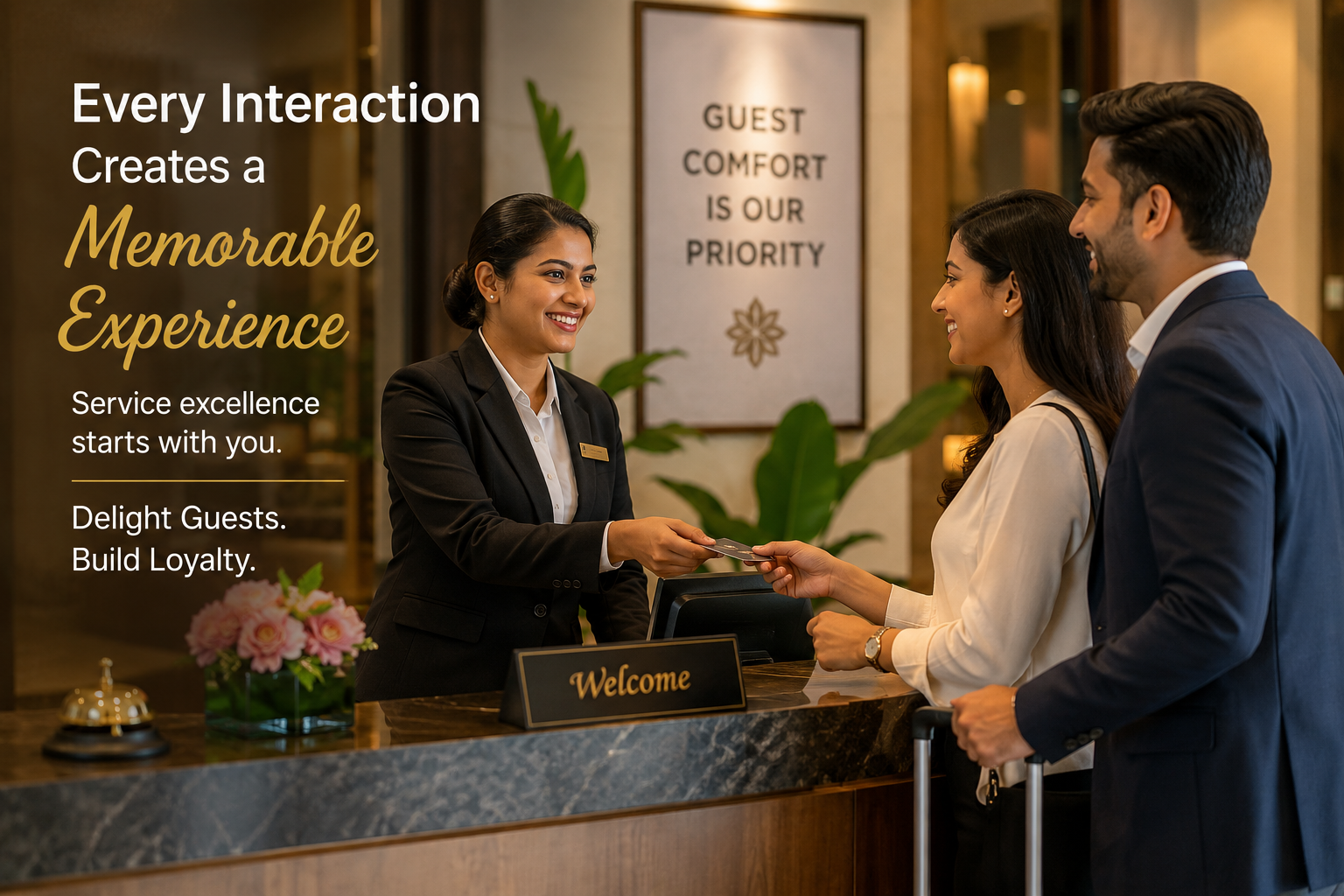
In the hospitality industry, the front office serves as the first point of contact for guests, making its readiness crucial for a successful operation. This week, we focus on the importance of front office readiness for hospitality learners, emphasizing practical insights that can enhance their training and effectiveness in real-world scenarios.
Understanding Front Office Readiness
Front office readiness encompasses the skills, knowledge, and attitudes that hospitality learners must develop to perform effectively in their roles. This includes understanding operational procedures, customer service protocols, and the ability to handle various situations that may arise during guest interactions.
Key Components of Front Office Readiness
Operational Knowledge: Learners should be well-versed in the daily operations of the front office, including check-in and check-out procedures, reservation management, and billing processes. Familiarity with the property management system (PMS) is essential.
Customer Interaction Skills: Effective communication is vital. Learners must practice greeting guests warmly, addressing inquiries, and resolving complaints efficiently. Role-playing scenarios can help simulate real-life interactions.
Crisis Management: Front office staff often face unexpected challenges, such as overbookings or guest complaints. Training should include strategies for managing these situations calmly and effectively.
Cultural Sensitivity: Given the diverse clientele in hospitality, understanding cultural differences and being respectful towards them is crucial. This can enhance guest satisfaction and foster a welcoming environment.
Team Collaboration: The front office does not operate in isolation. Learners should understand the importance of collaborating with other departments, such as housekeeping and maintenance, to ensure a seamless guest experience.
Practical On-Job Takeaways
- Engage in Role-Playing: Regularly practice scenarios with peers to build confidence in handling guest interactions and operational tasks.
- Familiarize with Technology: Spend time learning the PMS and other tools used in the front office to increase efficiency and reduce errors.
- Seek Feedback: Encourage learners to ask for feedback from supervisors and peers after interactions to identify areas for improvement.
- Stay Informed: Keep up with industry trends and best practices to enhance service delivery and operational efficiency.
- Emphasize Empathy: Train learners to listen actively and respond empathetically to guest concerns, which can significantly improve guest satisfaction.
- Participate in Team Meetings: Encourage attendance in departmental meetings to understand the broader operational context and foster teamwork.
Conclusion
Front office readiness is a vital aspect of hospitality training that directly impacts guest satisfaction and operational efficiency. By focusing on the key components outlined above, hospitality learners can better prepare themselves for the challenges of the front office environment.
Call to Action
As you continue your training, take the initiative to practice these skills regularly and seek opportunities for real-world application. Remember, the more prepared you are, the better the experience you can provide for your guests.