Air India's 'Easy Connect' Flights: A New Era for Regional Connectivity
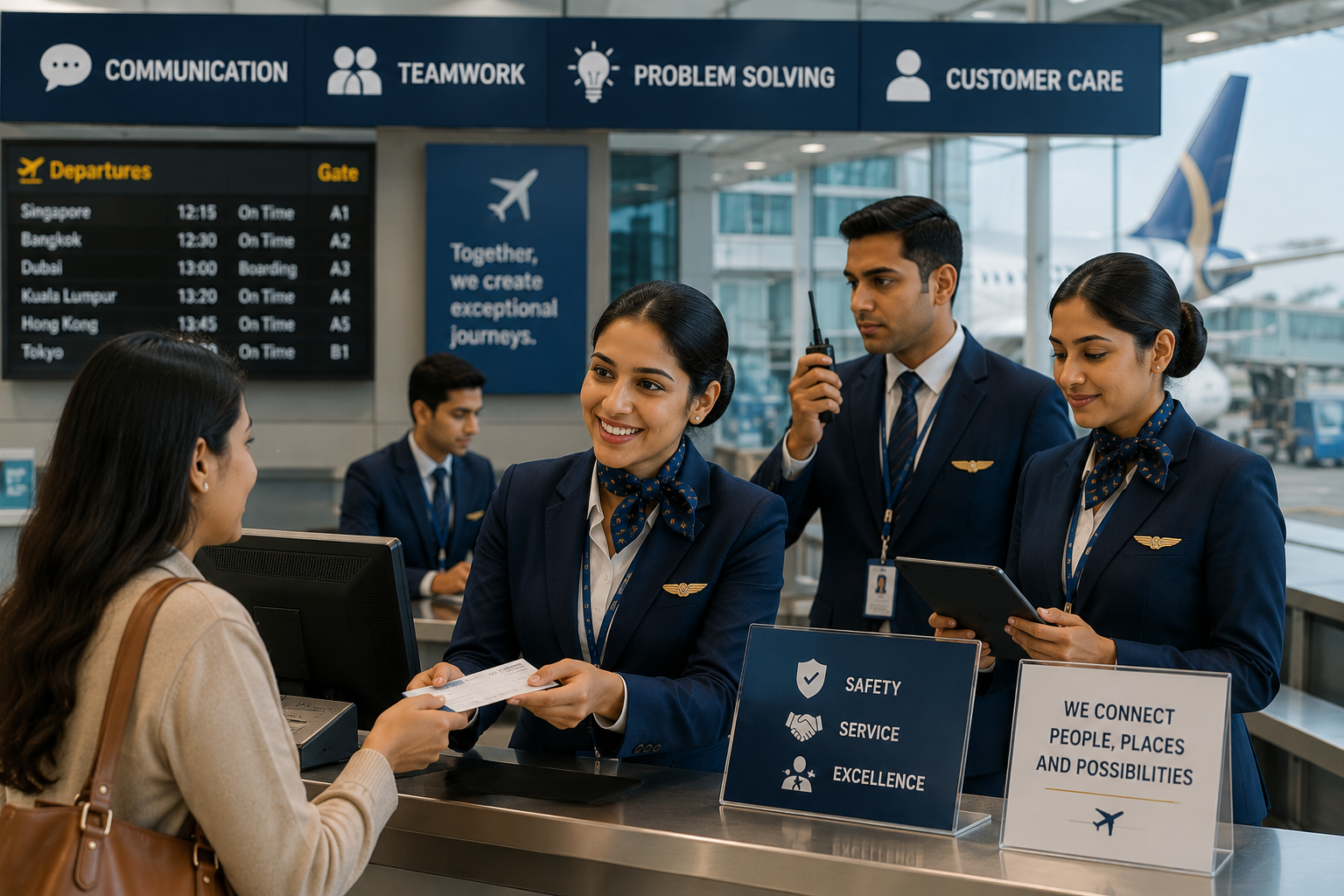
Air India’s recent launch of ‘Easy Connect’ flights marks a significant shift in the aviation landscape of India. This initiative, part of a broader hub-and-spoke model, aims to enhance regional connectivity and make international travel more accessible for passengers across the country. Understanding this development is crucial for frontline staff and trainers in the aviation sector, as it directly impacts service delivery and operational procedures.
Understanding the ‘Easy Connect’ Model
The ‘Easy Connect’ flights are designed to facilitate seamless travel from smaller cities to major international destinations. By connecting regional airports like Varanasi to hubs in Delhi, Mumbai, and Bengaluru, Air India is enabling passengers to start their international journeys from their home cities. This model not only simplifies travel logistics but also enhances the overall travel experience by reducing the need for lengthy layovers in foreign airports.
Benefits for Passengers
- Convenience: Passengers can now book flights that connect directly from their local airports to international destinations without the hassle of transiting through foreign hubs.
- Increased Accessibility: This initiative opens up travel opportunities for residents in smaller cities, allowing them to access global destinations more easily.
- Enhanced Travel Experience: With fewer layovers and direct connections, passengers can enjoy a smoother travel experience, which is particularly beneficial for families and elderly travelers.
Implications for Frontline Staff
As frontline staff, understanding the nuances of the ‘Easy Connect’ model is essential. Here are some key areas to focus on:
- Training on New Procedures: Staff should be trained on the new booking and check-in procedures associated with ‘Easy Connect’ flights to assist passengers effectively.
- Customer Communication: Clear communication about the benefits and logistics of the new service will help passengers feel more confident and informed about their travel options.
- Handling Inquiries: Staff should be prepared to answer questions regarding connections, layovers, and the overall travel process under this new model.
Operational Considerations
The rollout of ‘Easy Connect’ flights requires careful operational planning. Here are some considerations for staff and management:
- Coordination with Ground Services: Ensure that ground services at regional airports are equipped to handle the increased passenger flow and provide seamless transitions for connecting flights.
- Real-time Information Sharing: Implement systems for real-time updates on flight statuses and connections to keep passengers informed and reduce anxiety during travel.
- Feedback Mechanisms: Establish channels for passengers to provide feedback on their experiences with ‘Easy Connect’ flights to continuously improve service delivery.
Practical On-Job Takeaways
- Familiarize yourself with the new hub-and-spoke model and its benefits for passengers.
- Update training materials to include information on ‘Easy Connect’ procedures.
- Enhance communication skills to effectively convey the advantages of the new service to passengers.
- Collaborate with ground staff to ensure smooth operations and passenger transitions.
- Monitor passenger feedback to identify areas for improvement in service delivery.
In conclusion, Air India’s ‘Easy Connect’ flights represent a transformative step towards enhancing regional connectivity in India. For frontline staff, embracing this change is vital to providing exceptional service and ensuring that passengers enjoy a seamless travel experience. By staying informed and prepared, staff can play a crucial role in the success of this initiative.
If you’re interested in learning more about how to adapt to these changes and improve your service skills, stay tuned for our upcoming training sessions!