Building Confidence: Essential Skills for Frontline Staff
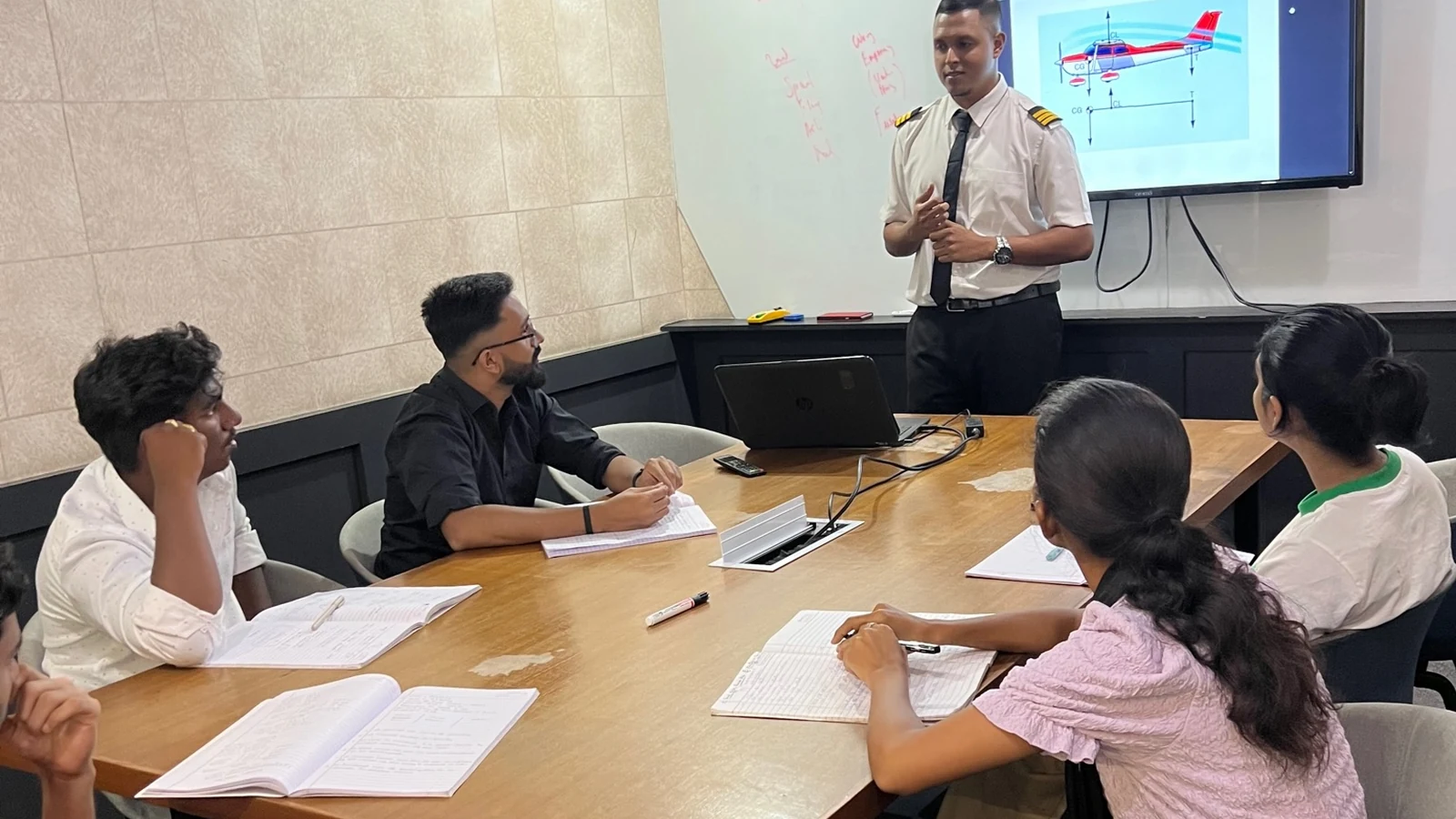
In today’s fast-paced work environment, especially in frontline roles within aviation and hospitality, confidence is not just a personal trait; it’s a professional necessity. This week, as we focus on personality development, we will explore how frontline staff can build their confidence through essential skills that enhance their communication and professionalism.
The Importance of Confidence in Frontline Roles
Confidence plays a crucial role in how employees interact with customers and colleagues. It influences decision-making, problem-solving, and the ability to handle stressful situations. For frontline staff, who often serve as the face of the organization, confidence can significantly impact customer satisfaction and overall service quality.
Key Skills to Build Confidence
1. Effective Communication
Strong communication skills are vital for expressing ideas clearly and understanding customer needs. Training in active listening and clear articulation can help staff feel more confident in their interactions.
2. Emotional Intelligence
Understanding and managing one’s emotions, as well as empathizing with others, can enhance interpersonal relationships. Staff who develop emotional intelligence are better equipped to handle difficult situations and maintain a positive demeanor.
3. Problem-Solving Skills
Being able to think critically and resolve issues efficiently boosts confidence. Encouraging staff to engage in role-playing scenarios can prepare them for real-life challenges they may face on the job.
4. Continuous Learning
Encouraging a mindset of continuous improvement through training and development can empower staff. This includes learning new technologies, customer service techniques, or even soft skills that enhance their professional capabilities.
5. Positive Self-Talk
Training staff to practice positive self-affirmations can help combat self-doubt. Encouraging them to reflect on their achievements and strengths can foster a more confident outlook.
6. Feedback and Recognition
Creating a culture where feedback is constructive and recognition is frequent can motivate staff. When employees feel valued and acknowledged for their efforts, their confidence naturally increases.
Practical On-Job Takeaways
- Practice Active Listening: Engage with customers by summarizing their concerns to show understanding.
- Role-Play Scenarios: Conduct regular training sessions where staff can practice handling various customer interactions.
- Encourage Peer Feedback: Create opportunities for team members to give and receive feedback on their communication styles.
- Set Personal Goals: Encourage staff to set achievable goals related to their roles, such as improving response times or customer satisfaction scores.
- Celebrate Small Wins: Recognize and celebrate achievements, no matter how small, to build a positive work environment.
- Promote Continuous Learning: Offer workshops or online courses that focus on both hard and soft skills relevant to their roles.
Conclusion
Building confidence among frontline staff is essential for enhancing customer experience and improving overall service quality. By focusing on effective communication, emotional intelligence, problem-solving skills, and fostering a culture of continuous learning and recognition, organizations can empower their employees to perform at their best.
Call to Action
Encourage your team to engage in training sessions this week focused on these skills. Share your experiences and insights on how confidence has impacted your work. Let’s work together to create a more confident and capable workforce!