Enhancing Frontline Skills in Aviation: A Practical Guide
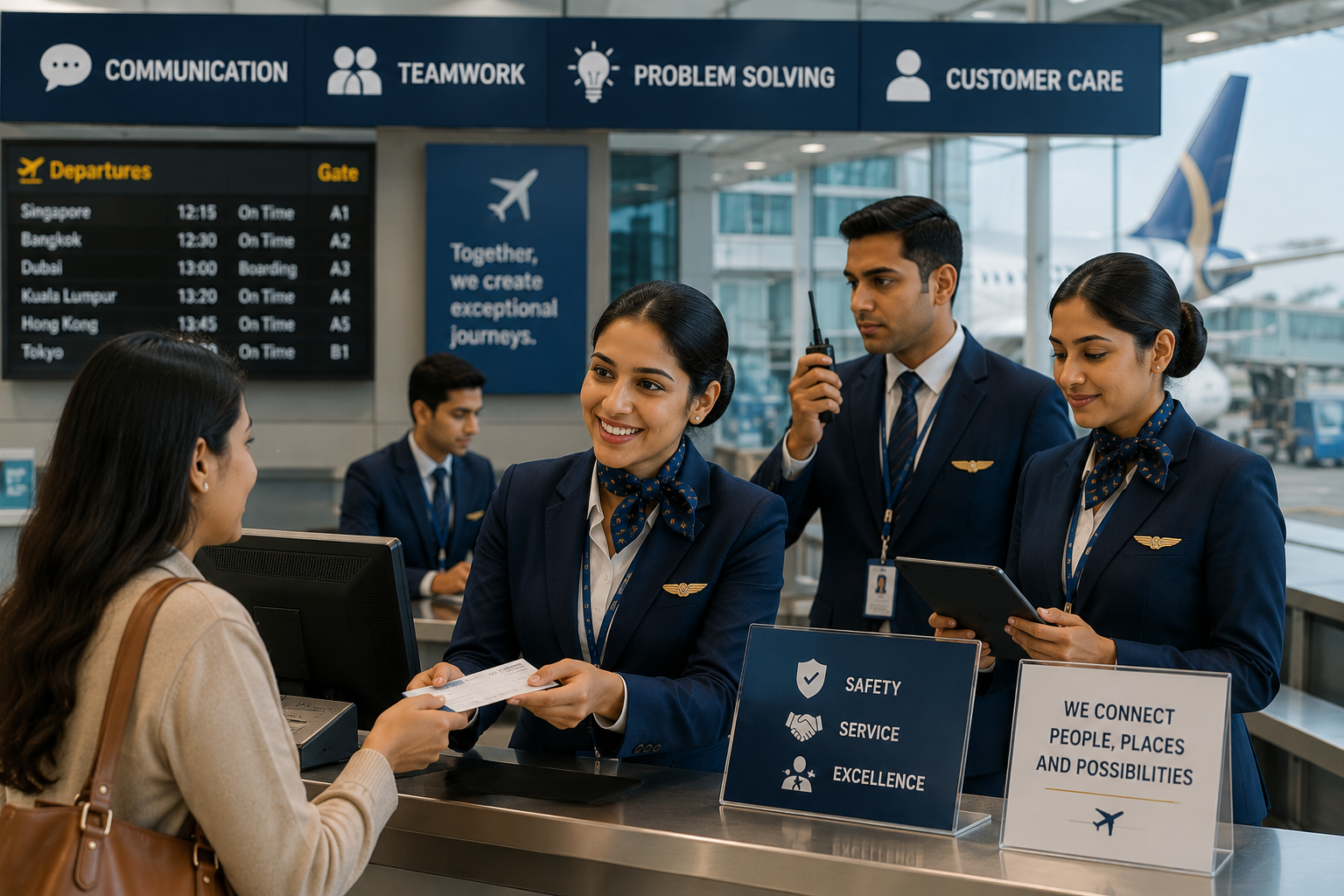
In the fast-paced world of aviation, frontline staff play a crucial role in ensuring safety, efficiency, and customer satisfaction. This week, as we reflect on recent developments in the aviation sector, it’s essential to focus on enhancing the skills of our frontline teams. With the industry evolving rapidly, equipping staff with the right skills can significantly impact operational success and customer experience.
Understanding the Importance of Frontline Skills
Frontline staff are often the first point of contact for passengers. Their ability to communicate effectively, manage stress, and solve problems is vital. Recent reports indicate that airlines are focusing on improving customer service and operational efficiency, making it imperative for staff to be well-trained and adaptable.
Key Skills for Frontline Aviation Staff
Effective Communication: Clear communication is essential in aviation. Staff must convey information accurately to passengers and colleagues, especially during emergencies or operational changes.
Problem-Solving: Frontline staff often face unexpected challenges. Training in critical thinking and problem-solving can empower them to handle situations efficiently, ensuring minimal disruption.
Customer Service Excellence: Providing exceptional customer service is a hallmark of successful airlines. Staff should be trained to understand customer needs and respond with empathy and professionalism.
Crisis Management: In aviation, crises can arise unexpectedly. Training staff in crisis management techniques can prepare them to respond calmly and effectively, ensuring passenger safety and confidence.
Cultural Sensitivity: With diverse passengers, understanding cultural differences is crucial. Training in cultural sensitivity can enhance interactions and improve the overall passenger experience.
Practical On-Job Takeaways
Role-Playing Scenarios: Conduct regular role-playing exercises to simulate real-life situations. This helps staff practice communication and problem-solving in a safe environment.
Feedback Mechanisms: Implement a system for staff to receive feedback on their performance. Constructive feedback can guide improvement and reinforce positive behaviors.
Continuous Learning: Encourage staff to engage in ongoing training programs. This could include workshops on customer service, crisis management, and communication skills.
Mentorship Programs: Pair experienced staff with newer employees. Mentorship can provide valuable insights and foster a supportive learning environment.
Recognition of Excellence: Recognize and reward staff who demonstrate exceptional skills in customer service and problem-solving. This can motivate others to strive for excellence.
Utilize Technology: Leverage technology to streamline communication and operational processes. Training staff on new tools can enhance efficiency and reduce errors.
Conclusion
As the aviation industry continues to grow and adapt, investing in the skills of frontline staff is more important than ever. By focusing on effective communication, problem-solving, and customer service excellence, airlines can enhance operational efficiency and improve passenger satisfaction.
Call to Action
Take the initiative to assess the current training programs for your frontline staff. Identify areas for improvement and implement strategies that foster skill development. Together, we can elevate the standards of service in the aviation industry.