Navigating the Skies: Insights into Recent Developments in Indian Aviation
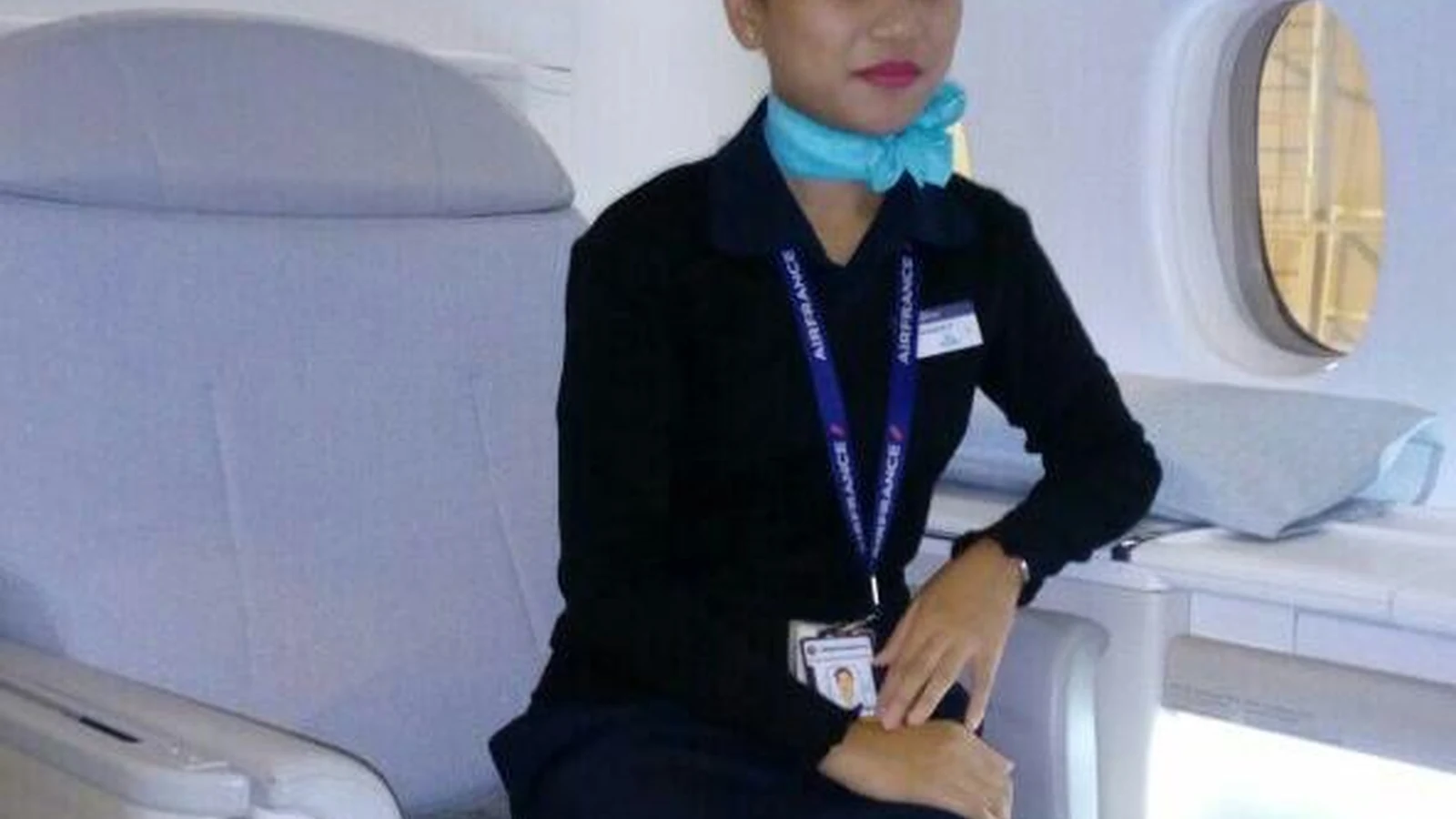
As we step into late May 2026, the aviation industry in India is witnessing significant changes that frontline staff and trainers must be aware of. With new routes, expansions, and strategic partnerships, understanding these developments is crucial for providing excellent service and ensuring safety in operations. This week, we will explore key trends and insights that are shaping the aviation landscape in India.
Expanding Routes and Services
The recent announcement by Swiss International Air Lines (SWISS) to launch its first-ever service to Bengaluru marks a significant expansion in the Indian aviation market. This new route will connect Zurich and Bengaluru five times a week, enhancing travel options for both business and leisure passengers. Such expansions not only increase competition but also provide more choices for travelers, which is essential for frontline staff to communicate effectively.
The Impact of Geopolitical Factors
The Association of Asia Pacific Airlines (AAPA) has reported stable international passenger demand, although growth is moderating due to geopolitical tensions. This situation emphasizes the need for frontline staff to remain adaptable and informed about global events that may affect travel patterns. Understanding these dynamics can help staff manage customer expectations and provide timely information.
Strengthening Domestic Infrastructure
The launch of Lords Inn Katra near the Vaishno Devi shrine highlights the growing importance of spiritual tourism in India. This hotel aims to cater to the increasing number of pilgrims and tourists visiting the region. For frontline staff in aviation, this means being aware of local accommodations and travel options that can enhance the overall customer experience. Providing recommendations for nearby hotels or attractions can significantly improve guest satisfaction.
Hiring Trends in Aviation Technology
American Airlines is planning a major hiring push at its technology hub in Hyderabad, reflecting the growing role of India in global aviation technology. This expansion indicates a shift towards more tech-driven operations, which frontline staff should embrace. Understanding new technologies and systems will be essential for maintaining efficiency and safety in operations.
Practical On-Job Takeaways
- Stay Informed: Regularly update your knowledge about new routes and services offered by airlines to assist passengers effectively.
- Adapt to Changes: Be prepared to handle customer inquiries related to geopolitical events and their impact on travel.
- Enhance Customer Experience: Familiarize yourself with local accommodations and attractions to provide valuable recommendations to travelers.
- Embrace Technology: Engage with new technologies and systems introduced in your workplace to improve operational efficiency.
- Communicate Clearly: Ensure that all information shared with passengers is accurate and up-to-date, especially regarding flight schedules and safety protocols.
Conclusion
The aviation industry in India is evolving rapidly, and staying informed about these changes is vital for frontline staff and trainers. By understanding the implications of new routes, geopolitical factors, and technological advancements, you can enhance the travel experience for passengers and contribute to a safer, more efficient aviation environment.
Call to Action
Stay updated with the latest developments in aviation by subscribing to industry newsletters and participating in training sessions. Your proactive approach will not only benefit your career but also improve the overall service quality in the aviation sector.